
 By Asfand Yar Khan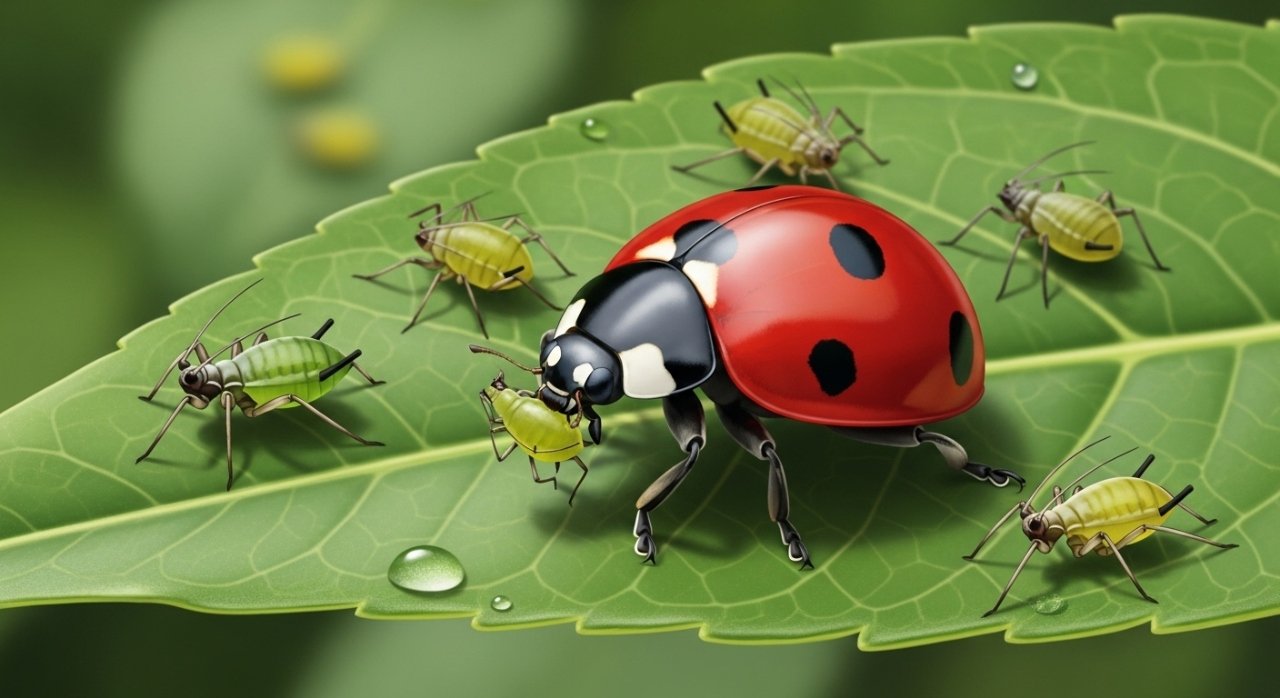
Ladybugs, those charming little beetles that often grace our gardens, are more than just a pretty face. With their vibrant red shells and adorable black spots, they capture the hearts of many. But have you ever wondered what these delightful insects munch on? Understanding their diet is not only fascinating but also crucial for anyone looking to attract them to their outdoor spaces.
In this complete guide, we’ll dive deep into the world of ladybug dining habits. From their favorite snacks to how their diet impacts their life cycle, get ready to uncover everything there is to know about what ladybugs eat. Whether you’re a nature enthusiast or simply curious about these remarkable creatures, you’ll find valuable insights here that will bring you closer to understanding one of nature’s most beloved bugs. Let’s explore the culinary choices of ladybugs together!
The Role of Diet in Ladybug Life Cycle
The diet of ladybugs plays a crucial role in their life cycle. From the moment they hatch, these tiny beetles rely on specific nutrients to grow and develop properly.
Larvae, often mistaken for small alligators, have voracious appetites. They primarily consume aphids, which provide essential proteins and fats necessary for their transformation into adults.
As they mature, the dietary needs shift slightly. Adult ladybugs enjoy a varied menu that includes pollen and nectar alongside insects. This diversity ensures they obtain vitamins and minerals vital for reproduction and longevity.
A balanced diet not only supports growth but also enhances their predatory skills. Healthy ladybugs are more effective at controlling pest populations in gardens and fields.
What do ladybugs eat directly influences their health and survival rate throughout various stages of life.
What Do Ladybugs Eat?
Ladybugs are often regarded as beneficial insects in gardens, primarily due to their diet. These little creatures feast on small pests that can harm plants. Aphids are their favorite snack, making ladybugs a gardener’s ally.
In addition to aphids, they consume spider mites and whiteflies. This predatory behavior helps control pest populations naturally.
Interestingly, not all ladybug species have the same dietary preferences. Some may also nibble on pollen or nectar when prey is scarce.
This flexibility allows them to thrive in various environments while contributing positively to ecosystems. Their unique eating habits showcase how vital they are for maintaining balance in nature’s food web.
Prey vs. Plants: Dietary Preferences of Different Ladybug Species
Ladybugs are often celebrated for their cute appearance, but their diets can be quite diverse. While many species share a fondness for aphids, others have unique preferences that set them apart.
Some ladybug species are strict carnivores. They thrive on an array of soft-bodied insects, including mealybugs and spider mites. These predators play a crucial role in natural pest control.
On the other hand, certain types indulge in plant-based food. Some ladybugs may nibble on pollen or nectar from flowers during specific life stages. This dietary shift helps them survive when insect prey is scarce.
The variation in diet showcases the adaptability of ladybugs to different environments. Understanding these preferences allows gardeners to create more inviting habitats for these beneficial beetles.
How Much Do They Eat?
Ladybugs have surprisingly voracious appetites for their small size. An adult ladybug can consume up to 50 aphids in a single day. That’s quite impressive, considering the tiny creatures!
Their diet primarily consists of soft-bodied insects, particularly during their larval stage. Young ladybugs are equally hungry and may munch on even more pests than adults.
The amount they eat varies based on several factors, including species and environmental conditions. Temperature and availability of food play significant roles in determining their feeding frequency.
During peak seasons when food is abundant, these beetles will feast extensively to build reserves for less favorable times. Conversely, if resources are scarce, they may slow down their eating habits or seek out alternative food sources.
This flexibility allows them to thrive in varying environments while effectively managing pest populations.
Feeding Habits and Behaviors
Ladybugs are fascinating creatures, and their feeding habits reveal much about their role in ecosystems. Typically active during warmer months, they spend considerable time searching for food.
These insects employ a strategy known as “sit-and-wait,” where they patiently perch on leaves or stems until prey comes close. This method conserves energy while maximizing hunting success.
Their keen eyesight helps them spot aphids and other small pests from a distance. Once they’ve targeted a meal, ladybugs move quickly to catch it with their powerful jaws.
Interestingly, some species exhibit cannibalistic tendencies when food is scarce. They may consume weaker members of their own kind to survive.
Furthermore, ladybug larvae have similar dietary preferences but tend to be more voracious eaters than adults. Their early-life feeding frenzy plays an essential part in controlling pest populations effectively.
Attracting Ladybugs to Your Garden with the Right Food Sources
Creating a welcoming environment for ladybugs is easier than you might think. Start by growing plants that provide food sources they love.
Consider flowers like dill, fennel, and yarrow. These not only attract ladybugs but also draw in other beneficial insects. They thrive on pollen and nectar as adults.
Don’t forget about aphids! Ladybugs are natural predators of these pests. If you have some plant leaves infested with aphids, it can be an open invitation for ladybugs to visit your garden.
Providing water is essential too. A shallow dish filled with pebbles and water allows them to hydrate without the risk of drowning.
Avoid using chemical pesticides. These can deter ladybugs from making your garden their home while harming their food supply at the same time. Embrace organic gardening practices instead for a thriving ecosystem.
Conclusion
Understanding what ladybugs eat can greatly enhance your gardening experience. These fascinating insects play a vital role in controlling pests and promoting healthy plants. By knowing their dietary preferences, you can create an inviting environment for them to thrive.
Ladybugs primarily feast on aphids and other soft-bodied insects, making them excellent allies in the garden. Different species exhibit varying tastes; while some may munch on pollen or nectar, others may prefer fungi or even plant leaves at different life stages.
Encouraging ladybugs to visit your garden not only aids pest management but also supports biodiversity. Planting flowers that attract them will ensure they have a steady food supply throughout their active seasons.
By being mindful of what do ladybugs eat and tailoring your gardening practices accordingly, you’ll cultivate an ecosystem that’s beneficial for both the plants and these charming creatures. The more we understand about ladybug diets, the better equipped we’ll be to foster environments where they flourish naturally.