
 By Asfand Yar Khan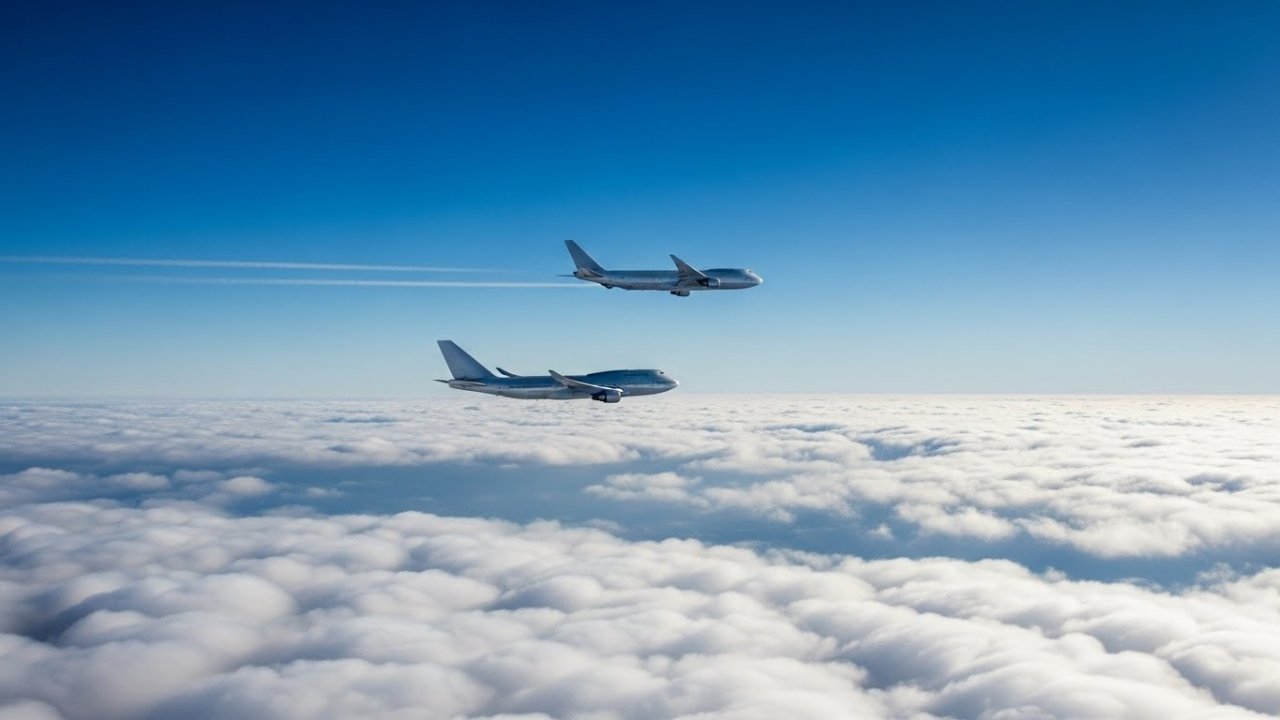
How high can an aircraft fly is a question many travelers ask, especially when they look out the window and see clouds far below. Airplanes seem to glide above the world with ease. However, clear limits exist, and those limits matter for safety, performance, and comfort. Therefore, understanding aircraft altitude helps explain how modern flight works.
Although aircraft look powerful, they cannot climb forever. Instead, each plane is designed with a specific maximum altitude. Because of physics, air pressure, and engine performance, height always has boundaries. So, by learning how high planes fly, aviation becomes easier to understand.
How aircraft altitude is measured
Aircraft altitude is measured in feet above sea level. For example, when a pilot says the plane is flying at 35,000 feet, that height is measured from the average sea level, not from the ground below. Therefore, even when mountains sit under the aircraft, altitude readings stay consistent.
Altimeters are used to measure altitude. These instruments rely on air pressure. As altitude increases, air pressure decreases. Because pressure changes are predictable, altitude can be calculated accurately. As a result, pilots always know how high they are flying.
Typical cruising altitude for commercial planes
Most commercial airplanes cruise between 30,000 and 42,000 feet. However, the most common range falls between 33,000 and 38,000 feet. At these heights, planes fly efficiently while staying safe.
Air is thinner at higher altitudes. Therefore, engines work more efficiently, and fuel is saved. In addition, turbulence is often reduced above weather systems. Because of these benefits, airlines prefer higher cruising levels whenever possible.
Maximum altitude limits for aircraft
Every aircraft has a maximum certified altitude. This limit is set by the manufacturer and approved by aviation authorities. For many commercial jets, that limit sits near 41,000 to 45,000 feet.
However, the maximum altitude is rarely used during normal flights. Instead, it acts as a safety boundary. Because performance decreases near this limit, pilots maintain a buffer below it. As a result, safety margins are preserved.
Why aircraft cannot fly higher
Aircraft cannot fly endlessly upward because air becomes too thin. Wings need airflow to create lift. As air density drops, lift becomes harder to generate. Therefore, beyond a certain point, flight cannot be sustained.
Engines also depend on oxygen. At very high altitudes, not enough oxygen exists for combustion. Although jet engines perform better than propellers at high altitudes, limits still exist. Because of these factors, maximum heights are enforced.
The role of air pressure and oxygen
Air pressure decreases rapidly with altitude. At sea level, pressure supports human breathing. However, above 10,000 feet, oxygen levels drop enough to cause problems. Therefore, cabins are pressurized.
Cabin pressurization allows passengers to breathe comfortably. Even though the aircraft flies high, the cabin feels much lower. As a result, people can travel safely without oxygen masks during normal flight.
Military aircraft and extreme altitudes
Military aircraft often fly higher than commercial planes. Some fighter jets can exceed 50,000 feet. In special cases, reconnaissance aircraft have flown above 70,000 feet.
These extreme altitudes are possible because of specialized designs. Powerful engines, lightweight structures, and advanced life-support systems are used. However, these aircraft are not built for passenger comfort. Instead, performance and mission needs guide their design.
Record-breaking aircraft altitudes
Throughout aviation history, altitude records have been set. For example, the SR-71 Blackbird famously flew above 85,000 feet. That record demonstrated what engineering could achieve.
However, such heights are not practical for everyday travel. Because of cost, risk, and limited usefulness, commercial aircraft stay much lower. Still, these records inspire innovation across aviation.
How weather affects flight altitude
Weather plays a major role in deciding how high an aircraft flies. Thunderstorms, jet streams, and turbulence influence altitude choices. Therefore, pilots adjust flight levels to find smoother air.
Jet streams are fast-moving air currents found at high altitudes. When used correctly, they can reduce flight time. As a result, pilots may fly slightly higher or lower to take advantage of them.
Air traffic control and altitude separation
Air traffic control manages altitude to prevent collisions. Aircraft flying in opposite directions are assigned different heights. Therefore, vertical separation keeps planes safe.
Typically, planes are separated by 1,000 feet at cruising altitude. This system allows many aircraft to share the same airspace safely. As a result, skies remain organized even during busy travel periods.
Fuel efficiency and altitude
Fuel efficiency improves at higher altitudes. Thinner air creates less drag. Therefore, engines burn less fuel to maintain speed. This efficiency saves airlines money and reduces emissions.
However, climbing higher also uses fuel. Because of that, pilots calculate the most efficient altitude for each flight. As weight decreases during flight, altitude may be increased gradually.
Passenger comfort at high altitude
Although planes fly high, passenger comfort is carefully managed. Cabin pressure is usually set to feel like 6,000 to 8,000 feet above sea level. Therefore, breathing remains comfortable for most people.
Humidity is lower at altitude, which can cause dryness. Because of this, drinking water is recommended. Still, modern aircraft designs focus on improving comfort as much as possible.
Emergency situations and altitude changes
In emergencies, altitude becomes critical. For example, if cabin pressure is lost, the aircraft must descend quickly. Therefore, oxygen masks deploy to help passengers breathe.
Pilots train extensively for such situations. Because procedures are practiced often, responses remain calm and controlled. As a result, emergencies are handled safely in most cases.
Private planes and smaller aircraft altitudes
Smaller aircraft usually fly lower than commercial jets. Many private planes cruise between 5,000 and 15,000 feet. At these heights, pressurization is often not needed.
However, some business jets can reach similar altitudes to commercial aircraft. Because of advanced designs, they combine speed, comfort, and range effectively.
Supersonic flight and altitude
Supersonic aircraft often fly at higher altitudes. Thinner air reduces drag and sonic boom impact. Therefore, altitude helps manage noise and efficiency.
The Concorde, for example, cruised around 60,000 feet. Although it retired, its performance showed how altitude supports high-speed flight.
Future aircraft and higher altitudes
Future aircraft may fly even higher. Advances in materials, engines, and aerodynamics support this idea. In addition, electric and hybrid technologies are being explored.
However, safety and efficiency will still guide altitude choices. Therefore, increases will likely be gradual. Still, innovation continues to push boundaries.
How pilots choose cruising altitude
Pilots choose altitude based on weight, weather, distance, and traffic. Flight planning software helps calculate the best option. Therefore, decisions are data-driven.
During flight, altitude may change. As fuel burns and weight decreases, climbing higher becomes more efficient. As a result, step climbs are common on long flights.
Altitude and flight time
Flying higher can reduce flight time. Strong tailwinds at altitude can increase ground speed. Therefore, routes are adjusted to benefit from wind patterns.
However, headwinds can slow aircraft down. In those cases, flying lower may help. Because of this, altitude decisions stay flexible.
Common myths about aircraft altitude
Many people believe planes fly close to space. In reality, space begins around 330,000 feet. Compared to that, commercial aircraft fly much lower.
Another myth suggests higher altitude is more dangerous. However, safety systems are designed specifically for these heights. Therefore, flying high remains very safe.
Why understanding altitude matters
Understanding how high can an aircraft fly helps travelers feel more confident. Knowledge reduces fear and builds trust in aviation systems. Therefore, informed passengers often feel more relaxed.
Altitude also explains why flights feel smooth or bumpy. By knowing what happens above the clouds, the experience becomes less mysterious.
Conclusion
How high can an aircraft fly depends on design, safety limits, and environmental factors. Commercial planes usually fly between 30,000 and 42,000 feet because that range offers efficiency and safety. Although higher altitudes are possible, practical limits guide everyday aviation.
By learning about aircraft altitude, aviation becomes easier to understand. From physics to comfort, many elements work together. As technology advances, altitude limits may shift, but safety will always come first.