
 By Asfand Yar Khan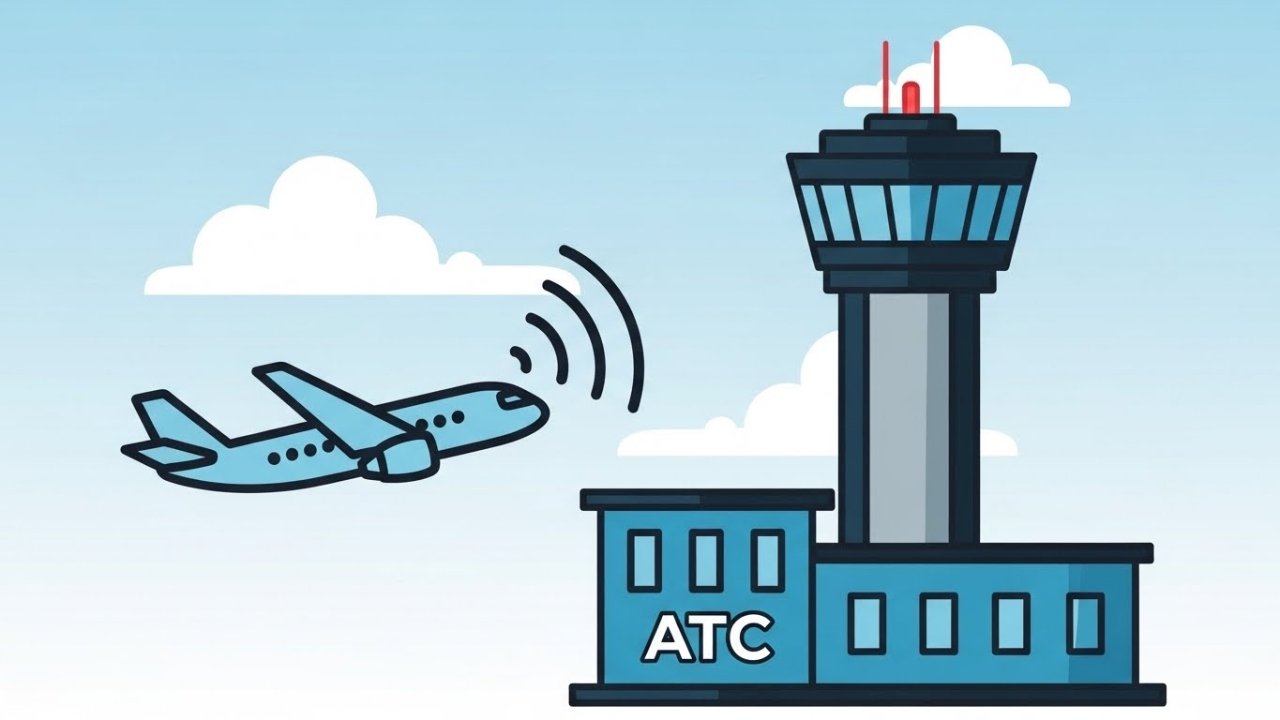
Aircraft departure is one of the most important stages of any flight. Although it may seem simple from a passenger seat, many steps are carefully followed. Before a plane ever leaves the ground, planning, checks, and coordination are completed. As a result, safety and efficiency are maintained at every airport worldwide.
Because millions of flights depart each year, clear systems have been developed. These systems are used so delays are reduced, accidents are prevented, and passengers are protected. Therefore, understanding how aircraft departure works can help travelers feel more confident and informed.
What Aircraft Departure Means
Aircraft departure refers to the process in which an airplane moves from the airport gate to the air. This process begins long before the engines are powered. First, flight plans are reviewed. Then, weather conditions are checked. After that, approval is given by air traffic control.
Although the word “departure” sounds short, it includes several stages. For example, boarding, pushback, taxiing, and takeoff are all involved. Because each stage affects the next, every step must be completed correctly.
Why Aircraft Departure Is So Important
Aircraft departure is important because safety is most at risk while planes are close to the ground. According to aviation data, many incidents occur during takeoff and landing. Therefore, extra care is taken during departure.
In addition, airport schedules depend on smooth departures. When one flight is delayed, others may also be affected. As a result, airlines focus heavily on keeping departures on time. Moreover, fuel use is planned around departure timing, which helps reduce costs and emissions.
Pre-Departure Planning
Before departure, planning is completed by pilots and airline staff. First, the route is selected. Then, fuel needs are calculated. Because weight affects takeoff, cargo and passenger numbers are carefully measured.
Weather is also reviewed during planning. If storms are expected, routes may be changed. Therefore, safety is improved while delays are avoided when possible. At the same time, airports prepare runways and staff for upcoming departures.
Boarding and Final Checks
Once planning is completed, boarding is started. Passengers are guided onto the aircraft in groups. Meanwhile, flight attendants check safety equipment. At the same time, pilots review control systems in the cockpit.
Because small issues can cause large problems later, final checks are taken seriously. For instance, doors are secured, and seat belts are checked. As a result, the aircraft is prepared for movement.
Pushback and Taxiing
After boarding is finished, the aircraft is pushed back from the gate. This step is usually done with the help of a tug vehicle. Because engines cannot be safely used near terminals, pushback is required.
Next, taxiing begins. During taxiing, the plane moves slowly toward the runway. Instructions are given by air traffic control so collisions are avoided. Meanwhile, pilots test brakes and steering. Therefore, problems can be detected before takeoff.
Runway Clearance and Takeoff Approval
Before takeoff, clearance is required. Air traffic controllers check that the runway is clear. In addition, they ensure that weather conditions are acceptable. Only then is permission given.
Because many planes may be waiting, timing is carefully managed. Once clearance is received, the aircraft moves onto the runway. As a result, the takeoff sequence can begin without interruption.
The Takeoff Process
Takeoff is the most exciting part of aircraft departure. Engines are powered up, and speed increases quickly. As air flows over the wings, lift is created. Eventually, the plane leaves the ground.
Although it happens fast, takeoff is controlled precisely. Speeds are monitored, and decisions are made quickly. If a problem is detected early, takeoff can be stopped. Therefore, safety is maintained even under pressure.
Role of the Pilot During Departure
Pilots play a central role in aircraft departure. They control the plane and communicate with air traffic control. At the same time, they monitor instruments and engine performance.
Because pilots are trained for many situations, they can respond calmly. Procedures are followed exactly as taught. As a result, risks are reduced, and passengers remain safe.
Role of Air Traffic Control
Air traffic control manages aircraft movement on the ground and in the air. During departure, controllers give instructions for taxiing and takeoff. They also separate aircraft to prevent collisions.
Because airports are busy, clear communication is essential. Therefore, standard phrases are used worldwide. This system ensures that instructions are understood, even when language barriers exist.
Technology Used in Aircraft Departure
Modern technology supports safe aircraft departure. For example, computers calculate takeoff speed and distance. Radar systems track aircraft positions. As a result, errors are reduced.
In addition, warning systems alert pilots to potential problems. Because data is shared quickly, decisions can be made faster. Therefore, departures are smoother and safer than ever before.
Weather and Its Impact on Departure
Weather greatly affects aircraft departure. Rain, snow, fog, and wind can cause delays. Because visibility and runway conditions matter, flights may be held until conditions improve.
Although delays are frustrating, safety comes first. Therefore, airlines choose caution over speed. As a result, accidents related to bad weather are minimized.
Common Departure Delays
Delays during departure are common. For instance, weather, technical issues, or crowded airports can cause waiting times. Because many systems must work together, one problem can affect many flights.
However, airlines work to reduce delays. Extra staff may be added, and schedules may be adjusted. Therefore, even when delays occur, efforts are made to recover quickly.
Passenger Safety During Departure
Passenger safety is a top priority during aircraft departure. Safety instructions are given before takeoff. In addition, seat belts are required.
Because emergencies are rare but possible, preparation is essential. Therefore, passengers are asked to follow rules closely. As a result, everyone on board is better protected.
Environmental Considerations
Aircraft departure also affects the environment. Fuel burned during takeoff creates emissions. Because of this, airlines look for ways to reduce impact.
For example, lighter materials are used, and engines are improved. In addition, efficient departure paths are chosen. Therefore, environmental damage is reduced over time.
International Departure Procedures
Around the world, aircraft departure follows similar rules. International standards are set by aviation organizations. Because of these standards, flights can operate safely across borders.
Although small differences exist, core procedures remain the same. As a result, pilots can fly internationally with confidence.
Training and Regulations
Pilots and ground staff receive regular training. Simulators are used to practice departures. Because regulations change, updates are taught often.
Government agencies also inspect airlines. Therefore, rules are enforced strictly. As a result, public trust in air travel is maintained.
Future of Aircraft Departure
The future of aircraft departure looks promising. New technologies are being developed. For example, electric taxi systems may reduce fuel use.
In addition, automation may assist pilots further. Although human control will remain important, support systems will grow. Therefore, departures may become even safer and more efficient.
Conclusion
Aircraft departure is a complex but well-organized process. From planning to takeoff, many steps are followed carefully. Because safety, timing, and technology work together, millions of flights depart successfully each year.
By understanding aircraft departure, travelers can appreciate the effort behind every flight. As aviation continues to improve, departures will remain a strong focus. Therefore, the journey always begins with careful preparation.