
 By Asfand Yar Khan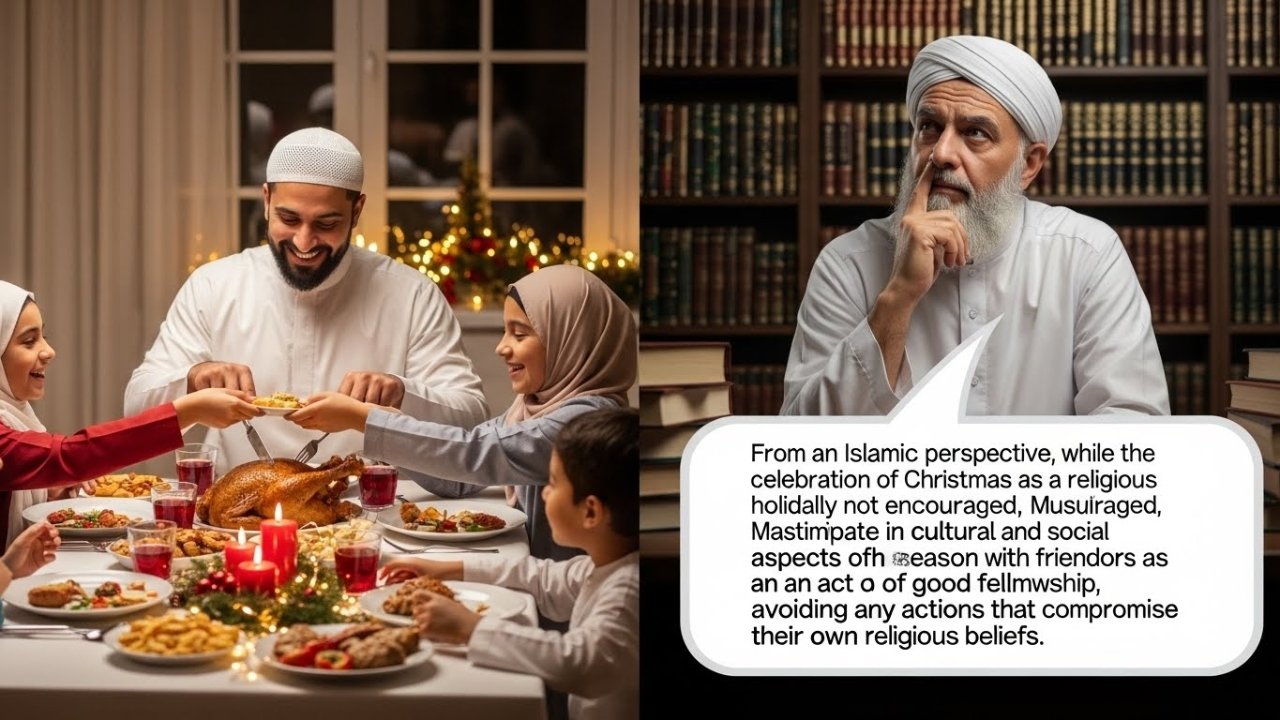
As the holiday season approaches, twinkling lights and festive decorations fill the streets. Everywhere you look, people are gearing up for Christmas celebrations. But what about Muslims? Can they join in on the festivities surrounding this widely celebrated holiday? The question raises important discussions about faith, culture, and community. Exploring whether Muslims can celebrate Christmas reveals a rich tapestry of beliefs and practices that reflect both respect for Islamic tenets and an appreciation for diversity. Let’s dive into this intriguing topic to explore perspectives from various angles while promoting understanding and unity during this special time of year.
What is Christmas and why is it celebrated?
Christmas is a joyous celebration observed on December 25th, marking the birth of Jesus Christ in Christian tradition. This day holds deep significance for millions around the globe, embodying themes of love, generosity, and hope.
The holiday has evolved over centuries, blending religious customs with cultural festivities. Families gather to share meals, exchange gifts, and partake in various traditions that often include decorating Christmas trees and singing carols.
Beyond its religious roots, Christmas serves as a time for reflection and charity. Many people engage in acts of kindness during this season—donating to charities or volunteering their time to help those in need.
As communities come together under the spirit of goodwill, Christmas transcends mere celebration; it fosters connections among individuals from diverse backgrounds who embrace the warmth of unity.
Understanding the Islamic Perspective on Celebrating Christmas
Islam teaches respect for all faiths. Recognizing the significance of Christmas to Christians is part of this principle. The holiday celebrates the birth of Jesus, a revered prophet in Islam.
However, traditional Islamic teachings emphasize the importance of maintaining religious identity. Muslims view Jesus as a messenger but do not celebrate his birthday in the same way Christians do.
Many scholars argue that participating in Christmas festivities can blur these lines. Yet others advocate for celebrating shared values like love and compassion without compromising one’s beliefs.
This perspective encourages dialogue between communities while respecting individual choices regarding participation. Understanding each other’s traditions fosters harmony during festive seasons across cultures.
Historical Evidence of Muslims Celebrating Christmas
Throughout history, there have been instances where Muslims engaged in Christmas celebrations. This interaction often occurred within multicultural societies, showcasing the blending of traditions.
In regions like the Ottoman Empire, Christians and Muslims frequently celebrated together. Shared feasts were common during major holidays, fostering a spirit of unity among diverse communities.
There are accounts from historical texts that reference Muslim rulers sending gifts to their Christian subjects during Christmas. Such gestures symbolized goodwill and respect for different faiths.
Moreover, personal stories from individuals highlight how some Muslims participated in Christmas gatherings with friends or neighbors. These experiences reveal an openness to cultural exchange while maintaining individual beliefs.
These moments not only illustrate shared humanity but also reflect a broader tradition of coexistence across cultures and religions throughout time.
Arguments Against Muslims Celebrating Christmas
Some argue that celebrating Christmas conflicts with Islamic beliefs. They emphasize the importance of adhering strictly to religious doctrines. For many, participating in a holiday rooted in another faith could dilute their own spiritual identity.
There is a concern about cultural assimilation. Some believe that engaging in non-Islamic traditions may lead to a loss of distinctiveness within the Muslim community. This fear often stems from historical tensions between different cultures and religions.
Additionally, critics point out potential misunderstandings surrounding the significance of Christmas. Many Muslims feel it’s essential to maintain clarity around their own celebrations rather than blending them with those of others.
These perspectives highlight deep-rooted values within Islam regarding faith and practice, making this topic sensitive for many believers today. The dialogue continues as people seek ways to navigate diverse holiday landscapes while honoring their core beliefs.
The Importance of Respect and Tolerance during the Holiday Season
During the holiday season, different cultures and religions come together to celebrate their beliefs. This diversity enriches our communities and offers opportunities for learning.
Respecting each other’s traditions fosters harmony. It encourages open conversations about faith and values. When we embrace differences, we build bridges instead of walls.
Tolerance plays a key role in creating an inclusive atmosphere. Acknowledging that not everyone shares the same views helps reduce conflicts. Instead of judging others’ celebrations, we can choose understanding.
Acts of kindness go a long way during this time. Simple gestures—like sharing greetings or participating in community events—can spread joy across various groups.
This season reminds us that unity doesn’t mean uniformity. By celebrating our unique identities while supporting one another, we cultivate a spirit of peace that benefits everyone involved.
Alternative Ways for Muslims to Participate in the Festivities
Muslims can engage in the festive spirit of Christmas without compromising their beliefs. One way is by sharing heartfelt greetings with friends and neighbors who celebrate. A simple “Happy Holidays” or “Season’s Greetings” fosters goodwill.
Participating in community service during this time can also be fulfilling. Many organizations host food drives or charitable events, allowing Muslims to contribute positively while respecting their faith.
Another option is hosting interfaith gatherings. These events promote understanding and strengthen bonds between diverse communities, emphasizing unity over division.
Decorating homes with winter-themed decor instead of traditional Christmas symbols allows for a celebration of the season’s beauty without religious implications.
Enjoying seasonal treats that are not specific to any religion provides an opportunity to savor the flavors of winter festivities while remaining true to one’s identity.
Conclusion
The holiday season often brings about a mix of emotions and traditions. It serves as a reminder of our diverse backgrounds and beliefs. For Muslims considering whether to celebrate Christmas, it’s essential to reflect on the values that underpin both faiths—love, compassion, and community.
While some may choose not to participate in Christmas festivities due to religious differences, others find joy in celebrating alongside friends and family. This participation can be a beautiful way to foster understanding and respect among various cultures.
Respecting each other’s traditions is vital during this time when many come together for peace and goodwill. Engaging with different customs enriches our lives while promoting harmony within communities.
As we navigate through this season filled with celebrations, let us embrace diversity wholeheartedly. Sharing moments of joy can strengthen bonds between people from all walks of life. Whether through festive gatherings or simple acts of kindness, every effort counts toward unity during this special time of year.
Celebrating our differences allows us all to grow closer together as one human family.